
Sustainability and Feelings
Goodson Leather
I am an American leatherworker. I grew up scouting plants on a Florida farm and I make goods by hand from real hides. I do not need a lecture from a phone about what “sustainable” means. I have spent my life around living things, dead things, weather, waste, and work. Sustainability is what happens when a material is honest, lasts, and does not leave a mess for somebody else to clean up.
Most of what gets sold as “vegan leather” fails that test on contact.
Call it what it is. The quotation marks are doing extra work because the product is not leather. It is plastic. Polyurethane. PVC. A petroleum coating glued to fabric, embossed with a fake grain, and marketed like a moral upgrade. A lot of the “apple” and “cactus” and “pineapple” versions still need a plastic binder to hold together. So you are not buying a plant. You are buying oil with a salad garnish.
That coating cracks. It peels. It does not take a saddle soap and a few years of carry and come out better. It fails, you throw it away, and you buy another one. Real leather, used hard and taken care of, outlasts that cycle by a long shot. Fake leather sheds microplastics while it is being used and keeps shedding after it hits the dump. It does not go back to dirt. It sits there. That is not conservation. That is a costume.
If your ethics start and end with “no animal,” say that. Do not dress plastic up as planet-saving. A wallet that dies in two years and leaves fragments in the water is not kind. It is just easier to post.
Now the part people skip.
Cattle and goats are not walking around waiting to become cardholders. They are raised for meat and milk. The hide is a small slice of the animal’s value. If I never touch another cowhide in my life, the steaks do not disappear. The dairy case does not disappear. The hide still comes off. Then you have a choice: turn it into something useful, or throw a mountain of wet protein into a hole and call that compassion.
Unused hides do not vanish into a peaceful mist. They rot. They stink. They emit. The leather trade exists in part because the food system already produces skins and the honest thing is to use them. Industry estimates put unused cattle hides in the many millions, and wasted hides into the millions of tons of extra emissions if they are dumped instead of tanned. You can argue about tanning chemistry. Fine. Argue it. What you cannot do with a straight face is pretend that refusing leather deletes the animal. It only deletes the use.
That is the cow and the goat. Now the part that makes people cover their ears.
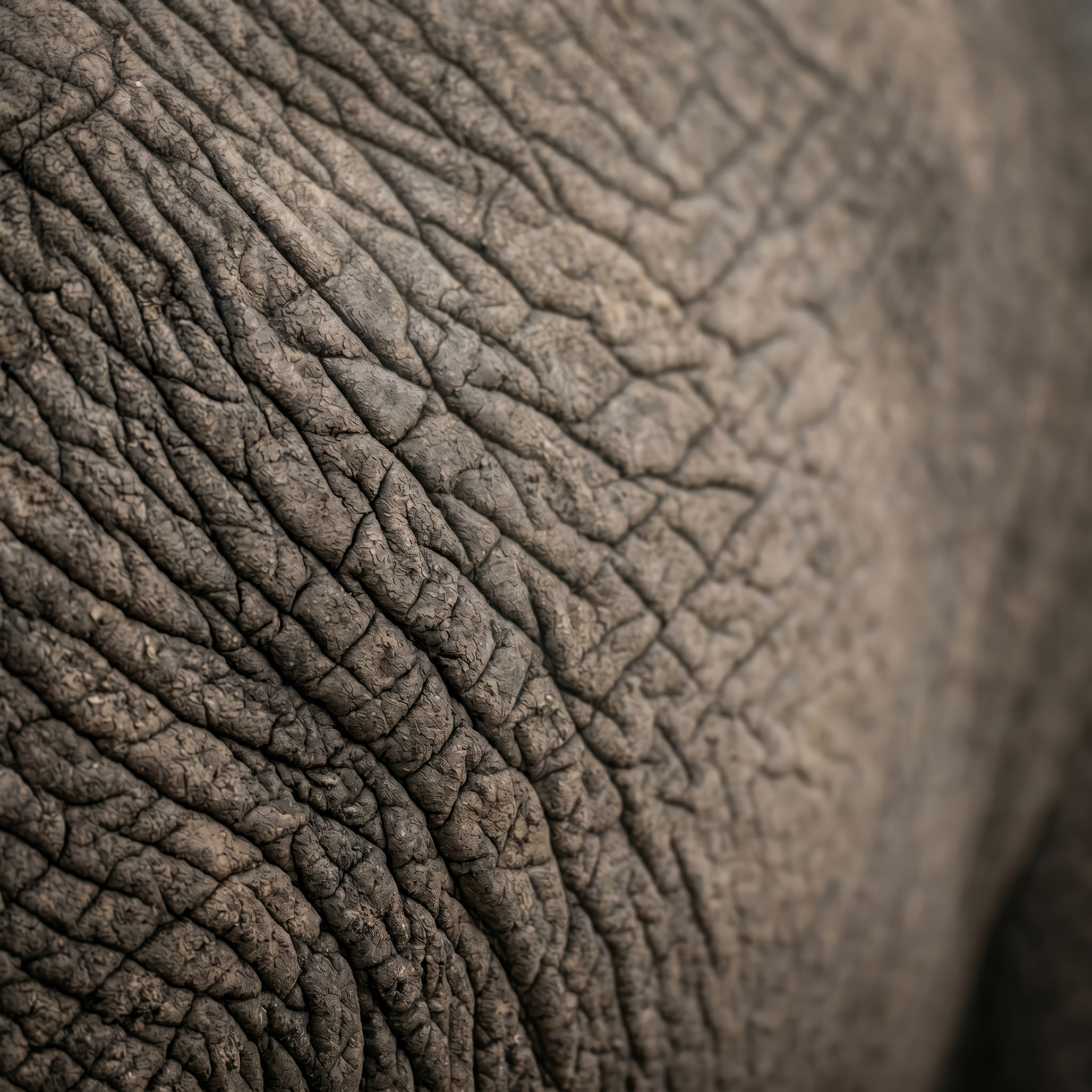
If you want to cry over elephant leather, cry. Your feelings are noted. They are also not a wildlife management plan.
I work legal, documented hides. CITES exists because trade without rules is a mess, and trade with rules is how you keep a paper trail on a scarce animal. I am not interested in poachers, black-market romance, or people who think a hashtag is the same thing as a ranger on the ground.
Hunting and herd management are not the opposite of conservation. In a lot of country, they are conservation. Wildlife that pays its way gets habitat. Wildlife that only photographs well on a London timeline gets squeezed when it raids a field, breaks a grain store, or kills a person. Southern African conservancy programs have used regulated hunting as income for communities that actually live next to the animals — payroll, quotas, meat, a reason not to turn the bush into cattle and charcoal. Namibia’s own figures put hundreds of millions of Namibian dollars from hunting into communal conservancies over a span of years, in some periods more than joint-venture photo tourism. Hunting also puts meat on tables photo tourism does not. That is not a metaphor. That is protein.
Is every operator clean? No. Does every dollar land where a brochure says it will? No. That is an argument for better local control and honest accounting, not for people who will never see an elephant outside a zoo deciding that “ban it” is the same as “save it.” A ban that feels good in California can zero out the one legal check a conservancy cashes. Then the animal is still there, the crop is still wrecked, and the incentive to keep the herd alive gets weaker. That is not mystery math.
So here is the hard line.
Fuck your feelings.
Your feelings do not change the facts. They do not manage a herd. They do not pay a ranger. They do not keep a hide from rotting in a pile. They do not make plastic last.
A regulated hunt is ugly if you only look at the animal on the ground. It is also one of the few ways a conflict animal carries enough money to keep habitat standing and put meat in a village that photo tourism does not feed. If that bothers you, say so. Just don’t pretend a ban written overseas is the same thing as conservation.
I make leather in Florida. I use documented hides. I don’t sell plastic and call it virtue.